Where do you look for a home inspector?
Start with three sources: your real estate agent, people you know who recently bought a home, and an online search for home inspectors near the property. Aim for a short list of two or three names rather than a long one.
Agents often know who works reliably in your area, but you choose the inspector, not the agent. If you have a question about independence, it is fine to ask for a name outside the agent's list and compare.
What should you ask a home inspector before hiring?
Ask how long they have been inspecting, what a typical inspection covers, how long it takes on a home like yours, and when you get the report. A thorough inspection of an average house commonly takes two to four hours, and reports usually arrive within one to two days.
Also ask whether you can attend. Walking through with the inspector is one of the most valuable parts, because you see issues in person and can ask questions on the spot.
Ask what is not covered. Roofs, sewer lines, electrical, plumbing, and mold are sometimes handled separately or as add-ons, so confirm what is included.
What does a good inspection report look like?
A good report is clear, organized by system, and uses photos to show each issue. You should be able to tell what is urgent, what needs repair soon, and what is simply maintenance.
Ask for a sample report before booking. If it is vague, full of jargon, or has few photos, it will be hard to use when negotiating repairs with a seller.
Do you need extra inspections beyond a standard home inspection?
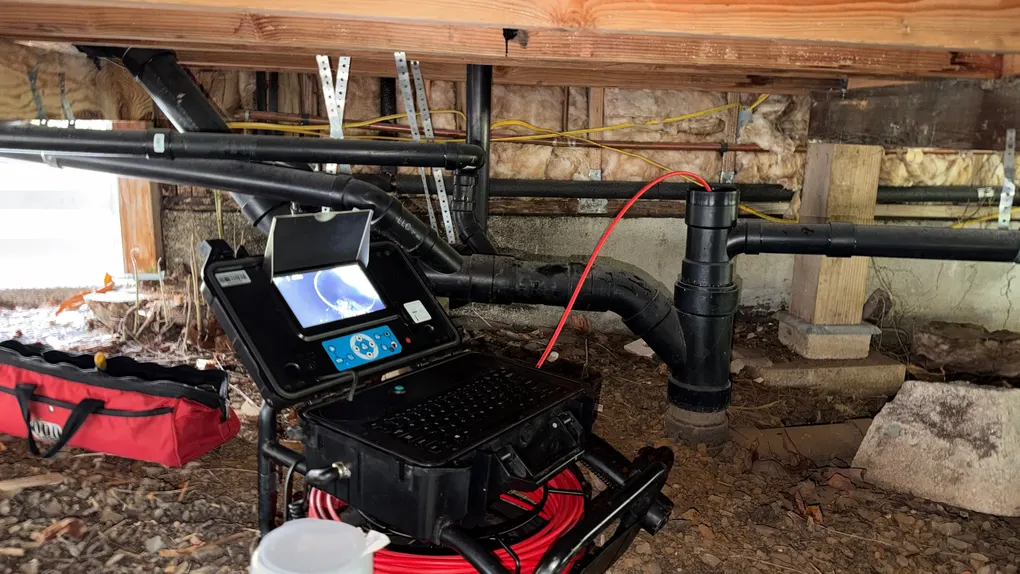
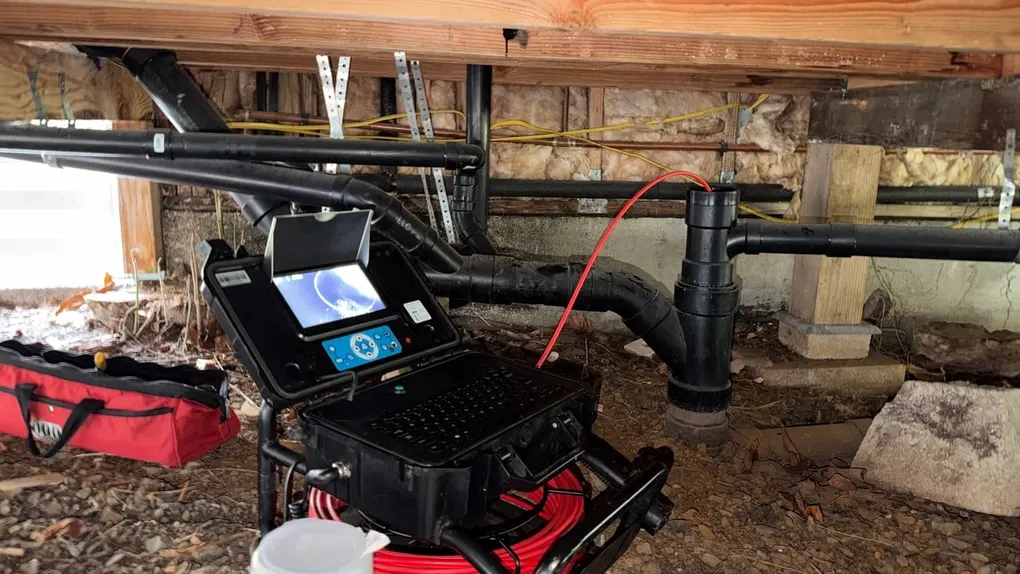
Sometimes. A standard inspection is a visual look at accessible areas. A sewer scope sends a camera through the main drain line, infrared imaging can reveal moisture or heat patterns not visible to the eye, and mold testing checks air or surfaces if you suspect a problem.
Condos have their own needs, since you are inspecting a unit and relying on the association for shared building components. Consider add-ons when the home is older, has a past leak, or has features the standard inspection does not cover.
When should you book your home inspection?
Book as soon as your offer is accepted, because the inspection period in a purchase contract is limited, often about ten days to two weeks. Inspectors with open schedules fill up, so a delay can squeeze your negotiation time.
If you are still house hunting, it helps to have your inspector chosen ahead of time so you can call right away.
Is the cheapest inspector the right choice?
Not necessarily. The inspection helps you avoid surprise repair costs on the biggest purchase most people make, so thoroughness and clear reporting matter more than saving a small amount on the fee.
Compare what is included, how long the inspector spends, and how useful the report is. Then choose the person you feel most comfortable asking questions.
Questions we hear
How do I choose between two home inspectors?
Compare their sample reports, experience, and what each inspection covers. Pick the one who explains things clearly, welcomes you at the inspection, and can meet your contract deadline.
Should I use the home inspector my agent recommends?
You can, but you are not required to. Treat the recommendation as one name on your list and check the inspector's reports and experience yourself.
Can I go to the home inspection?
Yes, and it is a good idea. Being there lets you see problems firsthand, ask questions, and learn how to maintain the home.
How long does a home inspection take?
Most inspections of an average-sized home take around two to four hours. Larger or older homes, and any add-on tests, can take longer.
How soon should I book an inspector after my offer is accepted?
Right away, ideally the same day or the next. Your inspection window is short, and you need time to review the report and negotiate repairs.