How often should you get a condo inspection?
There is no single schedule that fits every owner. The usual answer is: once before you buy, again if something goes wrong, and optionally before you list the unit for sale.
If you are not buying, selling, or dealing with a problem, you do not need a paid inspection every year. A regular look around the unit yourself does most of the work, and a professional can be brought in whenever something looks off.
HNL Home Inspections inspects condos and other residential properties across Oahu, including Honolulu, Waikiki, Kakaako and Kailua.
Do you need a condo inspection before buying?
Yes, getting one before you close is the most common and most useful time to inspect a condo. It gives you a record of what is working and what is not inside the unit before you are committed.
A buyer's inspection of a condo typically covers the things inside your walls and your unit: plumbing fixtures, electrical panel and outlets, appliances, windows and doors, ventilation, and signs of past moisture. Shared parts of the building, like the roof, structure, and common plumbing lines, are usually the association's responsibility, so check your condo documents to see where the unit ends and the association begins.
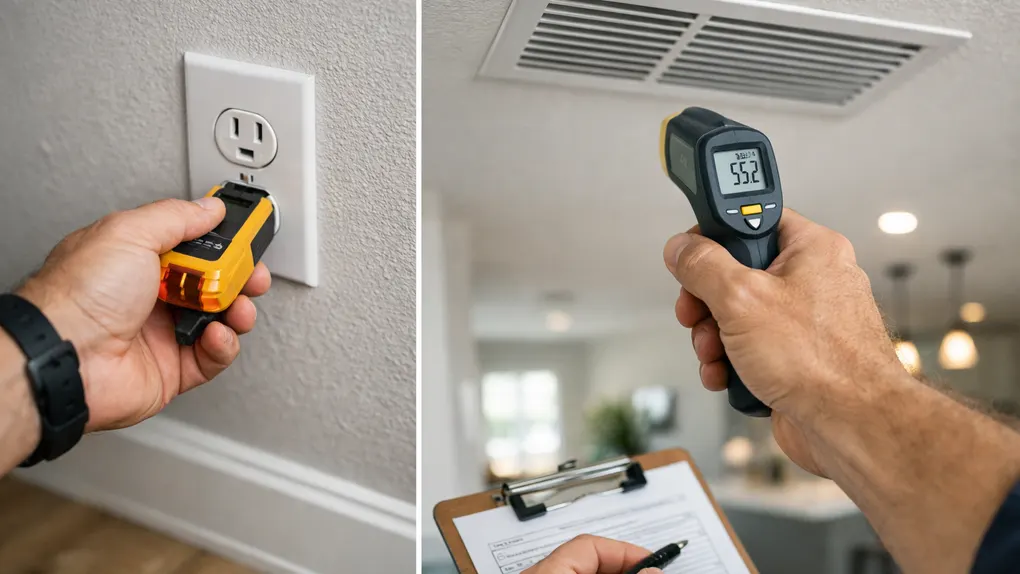
If the unit has had water issues or you want a closer look behind surfaces, thermal imaging can show temperature differences that point to moisture or electrical hot spots that the eye cannot see. Every inspection from HNL Home Inspections includes thermal imaging scans.
Should you get a pre-listing inspection when selling a condo?
It is optional, but many sellers find it worthwhile. An inspection before you list lets you find and fix problems on your own schedule instead of negotiating them under pressure after a buyer's inspection.
It is most worth considering if the unit is older, has had past leaks or renovations, or if you do not know the condition of the plumbing and electrical. Fixing a small item before listing is usually easier than answering a buyer's repair request.
This is the kind of job a Seller's Inspection is meant for.
When should a condo owner inspect between buying and selling?
Inspect any time something suggests a problem: a stain on a ceiling or wall, a musty smell, peeling paint, a breaker that keeps tripping, or a leak from the unit above. Do not wait for the next calendar date.
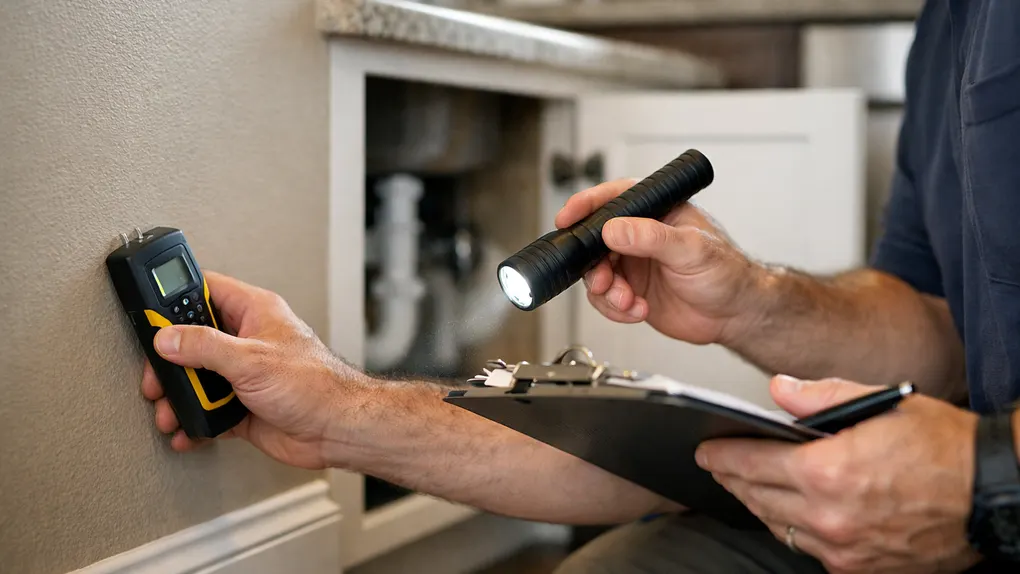
A simple routine helps in between. Every six months or so, look under sinks and around the water heater for moisture, check caulk around tubs, showers and windows, test smoke detectors, and look at ceilings and the corners of closets for stains or spotting. Check the air conditioner drain and bathroom fans too.
If you find signs of moisture, a professional can use thermal imaging to trace where it is coming from, and mold testing can be added if you suspect mold. Mold testing is offered for an additional fee.
How often do condo associations need inspections?
Associations deal with a different question than individual owners. Their concern is the building's shared components, and those inspections are larger projects than a unit inspection.
High Risk Component Inspections, or HRCI, are for condo and townhouse associations. They evaluate high-risk components and identify potential safety, maintenance and repair concerns. They span 1 to 3 months each and are quoted to each job.
How often an association needs one depends on its governing documents, its board, and its other advisors, so those are the right places to confirm a schedule.
Questions we hear
Is a condo inspection worth it if the building is newer?
Usually yes, when you are buying. A newer unit can still have installation mistakes, small leaks, or items that are not working properly, and an inspection documents the condition of your unit before you commit.
Does a condo inspection cover the whole building?
A condo inspection focuses on the unit you are buying or owning. Shared building components are generally the association's responsibility and are looked at through a separate process such as an association inspection.
Should I get a condo inspection after a leak?
Yes, it is a good idea. Water can travel and hide behind walls and ceilings, so having the unit checked, including with thermal imaging, helps you see how far moisture has spread. Mold testing can be added if you suspect mold.
Do I need to inspect my condo every year?
Not usually. Most owners do fine with a walk-through of their own unit every six months or so and bring in a professional when buying, selling, or noticing a problem.
What is an HRC inspection?
A High Risk Component Inspection is for condo and townhouse associations. It evaluates high-risk components and identifies potential safety, maintenance and repair concerns. These are larger projects that span 1 to 3 months each and are quoted to each job.