What does a home inspection cover?
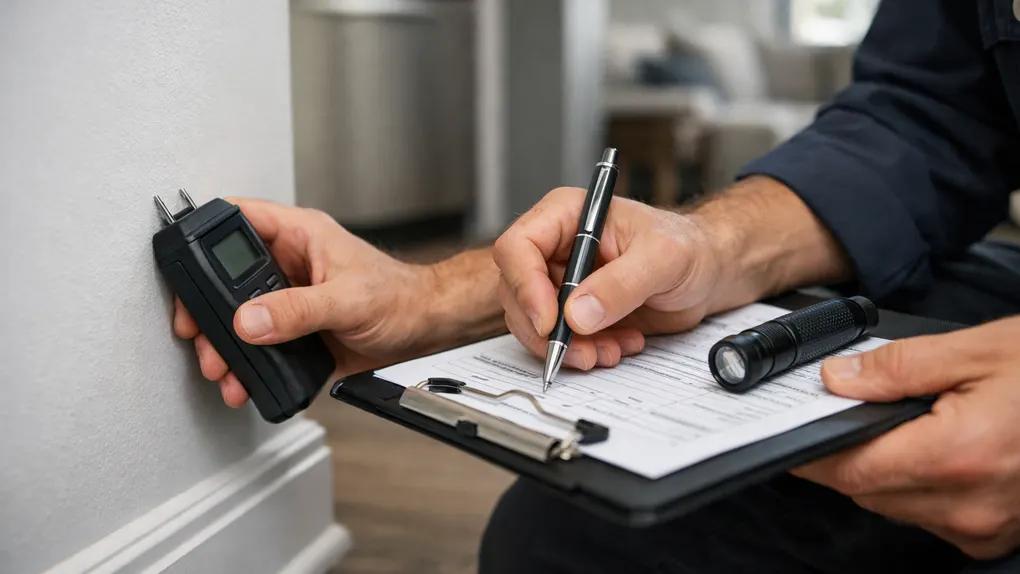
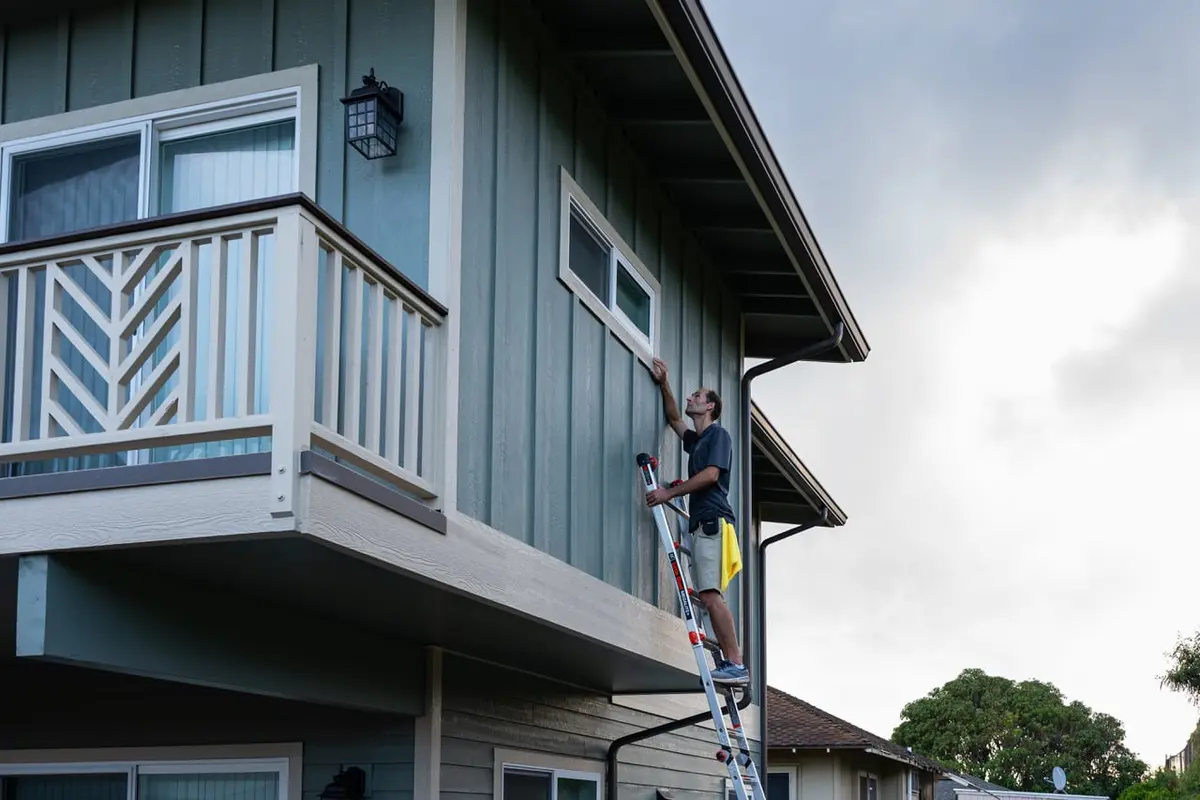
A general home inspection covers the visible, accessible parts of a house: roof and exterior, foundation and structure, attic and crawlspace where reachable, electrical panel and outlets, plumbing fixtures and visible pipes, water heater, windows and doors, interior finishes, and the major appliances and systems.
It is a snapshot of condition on the day, not a prediction of the future and not a code review. The inspector reports what they can see and test without opening walls or digging. If something needs a closer look, a good report says so and names the kind of specialist to call.
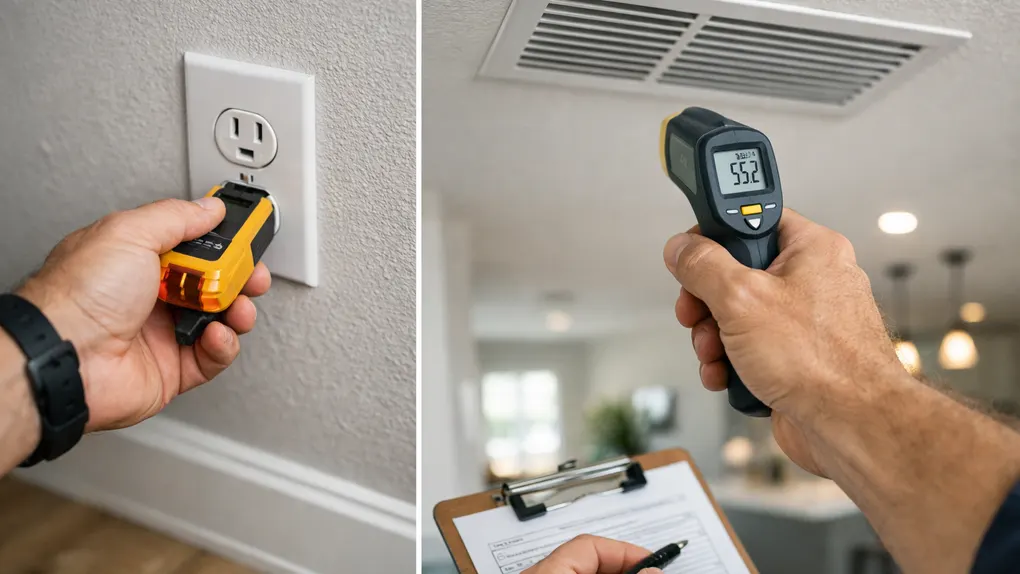
HNL Home Inspections is an Oahu inspection company run by Andy Birk, serving Honolulu and communities island-wide. Every inspection includes thermal imaging scans, which can help show temperature differences that point to moisture or electrical hot spots the eye can't see.
How long does a home inspection take?
Most home inspections run roughly two to four hours, depending on the size, age and condition of the property. Larger homes, multiple structures, or a long list of issues can take longer.
Plan to have the house accessible: utilities on, attic hatches and the electrical panel reachable, and pets secured. Blocked access means parts of the home can't be checked and get listed as not inspected.
After the visit, the written report takes additional time to prepare. Ask your inspector when you can expect it, since your inspection period on a purchase has a deadline. HNL Home Inspections delivers reports within a day of the inspection.
Is a condo inspection different from a home inspection?
Yes. A condo inspection focuses on the inside of your unit and anything you own or are responsible for: electrical, plumbing, appliances, windows, doors, ventilation, and signs of moisture or past leaks. Roofs, structure and shared systems usually belong to the association, so they are typically outside what a unit inspection can assess.
For those shared parts, ask the seller or the association for recent reserve studies, meeting minutes and any planned repairs or assessments. Associations that need a closer look at major building components can also arrange a separate High Risk Component inspection, which is a larger project quoted job by job.
If you are buying a unit in Honolulu, Kakaako, Waikiki or elsewhere, a condo inspection is the right starting point, and the association documents fill in the rest.
Do I need a roof inspection, sewer scope or mold testing too?
A general inspection looks at the roof surface and visible drainage, but a dedicated roof inspection goes further when the roof is old, has visible wear, or you plan to insure or renovate. Drones can help reach roof areas that are unsafe or hard to walk.
A sewer scope runs a camera through the main drain line to look for cracks, root intrusion, belly sections or blockages. It is worth considering when the home is older or the line can't be seen any other way, because repairs underground can be costly.
Mold testing makes sense if you see staining, smell mustiness, or the report points to moisture. At HNL Home Inspections, sewer scope inspections and mold testing are offered for additional fees, so ask about them when you book.
How do I read the inspection report and what do I do with it?
Start with the safety items and anything that affects the structure, roof, electrical or plumbing, then move to maintenance items. Not every finding is a deal-breaker; many are normal wear that you simply plan for.
A useful report has photos, clear descriptions and a sense of priority. Sort findings into three groups: fix before closing, negotiate with the seller, and handle after you move in. Bring your real estate agent into the conversation on what to request.
If a finding needs a specialist, such as an electrician or plumber, get their opinion before your inspection period ends. And ask your inspector questions; a good one will walk you through the findings and what they mean.
How do I choose a home inspector in Honolulu?
Look for an inspector with recognized certifications, proof of insurance, sample reports you can read, and reviews that mention clear explanations. Ask what the inspection includes, what tools they use, and how quickly you will get the report.
HNL Home Inspections is insured and Andy Birk holds multiple certifications, including InterNACHI. He uses drones, infrared cameras, sewer scopes and mold testing equipment, and is reachable by phone seven days a week from 8am to 9pm.
Book early. Inspection periods on a purchase are short, and good inspectors fill up, so call as soon as your offer is accepted.
Questions we hear
When should I schedule a home inspection?
Schedule it as soon as your offer is accepted, because the inspection period in a purchase contract is short. Call the inspector right away to lock in a date, and make sure the seller can give access to the whole property.
Should I be at the inspection?
It is a good idea, especially toward the end, when the inspector can walk you through what they found. Seeing issues in person makes the report easier to understand. If you can't attend, read the report carefully and ask questions afterward.
Does a home inspection include thermal imaging?
It depends on the inspector. At HNL Home Inspections, every inspection includes thermal imaging scans, which help spot moisture and temperature differences that are hard to see by eye.
Can a home pass or fail an inspection?
No. An inspection is not a pass or fail test. It describes the condition of the property so you can decide how to proceed, what to negotiate and what to plan for.
Should sellers get an inspection before listing?
Many sellers do. A pre-listing inspection shows problems before buyers find them, so you can fix items or price accordingly instead of reacting under deadline during escrow.